
Quick Enquiry
+91 7356 577 577 +91 7356 200577 care@janikaayurveda.comServices Available At
📍Kochi, Kerala📍Bangalore, Karnataka
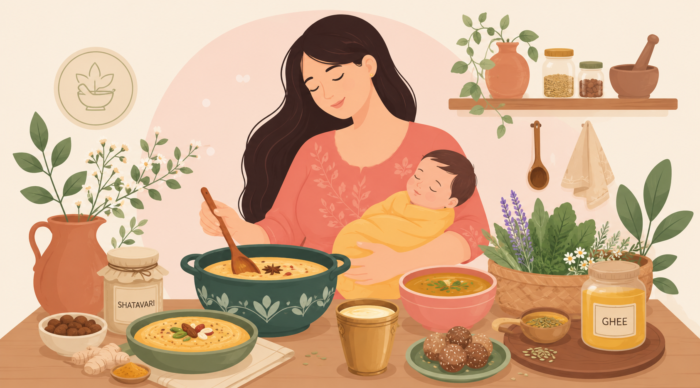
The Fourth Trimester Kitchen: Ayurvedic Postpartum Recipes That Heal and Nourish
Introduction
The arrival of a new baby marks the beginning of a beautiful chapter in a mother’s life. While much attention is naturally focused on the newborn, Ayurveda reminds us that the mother’s recovery is equally important. The postpartum period—often referred to as the “Fourth Trimester”—is a time of deep healing, restoration, and adjustment.
According to Ayurveda, childbirth places significant demands on a mother’s body, mind, and energy reserves. During this phase, proper nourishment becomes essential to support recovery, promote lactation, strengthen digestion, and restore vitality.
Traditional Ayurvedic postpartum nutrition focuses on warm, freshly prepared, easy-to-digest meals enriched with healing herbs and spices. In this article, we explore Ayurvedic postpartum recovery care and nourishing foods that support a healthy recovery journey after childbirth.
Why Nutrition Matters During the Fourth Trimester
In Ayurveda, the postpartum period is considered a vulnerable phase when the body’s natural balance requires gentle restoration. Proper nourishment may help support:
✔ Recovery after childbirth
✔ Healthy digestion
✔ Lactation and breast milk production
✔ Energy and strength restoration
✔ Emotional well-being
✔ Tissue healing and rejuvenation
✔ Hormonal balance
Rather than focusing on restrictive diets or rapid weight loss, Ayurveda emphasizes healing from within through wholesome, nourishing foods.
Ayurvedic Principles for Postpartum Eating
Before exploring recipes, it is important to understand the core Ayurvedic principles for postpartum nutrition.
Favor Warm Foods
Warm meals are generally easier to digest and help support the body’s natural healing process.
Choose Freshly Prepared Meals
Freshly cooked foods are considered more nourishing and easier for the body to assimilate.
Support Digestion
A strong digestive system is believed to be the foundation of recovery and overall wellness.
Include Healthy Fats
Ghee and other healthy fats may help nourish tissues and support strength restoration.
Stay Hydrated
Warm water and herbal drinks can help maintain hydration and support digestion.
1. Traditional Ayurvedic Recovery Porridge
One of the most comforting postpartum foods is a warm, nourishing porridge.
Ingredients:
● ½ cup rice or broken rice
● 2 cups water
● 1 teaspoon ghee
● A pinch of cumin powder
● A pinch of dry ginger powder
Preparation:
- Cook the rice until soft and smooth.
- Add ghee and spices.
- Serve warm.
Potential Benefits:
✔ Easy to digest
✔ Gentle on the stomach
✔ Supports energy restoration
✔ Comforting during early recovery
This simple preparation is often recommended during the initial postpartum weeks when digestion may be sensitive.
2. Fenugreek and Cumin Herbal Drink
Fenugreek and cumin have traditionally been used in postpartum care as part of Ayurvedic postpartum wellness support.
Ingredients:
● 1 teaspoon fenugreek seeds
● 1 teaspoon cumin seeds
● 2 cups water
Preparation:
- Boil the seeds in water for 10–15 minutes.
- Strain and serve warm.
Potential Benefits:
✔ Supports hydration
✔ Promotes digestive comfort
✔ Traditionally used to support lactation
✔ May help reduce bloating
Always consult your healthcare provider before introducing herbal preparations during postpartum recovery.
3. Warm Moong Dal Soup
Moong dal is widely valued in Ayurveda for being light, nourishing, and easy to digest.
Ingredients:
● ½ cup yellow moong dal
● 3 cups water
● 1 teaspoon ghee
● Cumin seeds
● Turmeric
Preparation:
- Cook the dal until soft.
- Temper with ghee, cumin, and turmeric.
- Serve warm.
Potential Benefits:
✔ Provides plant-based protein
✔ Supports tissue repair
✔ Easy on digestion
✔ Promotes sustained energy
4. Dry Ginger and Jaggery Recovery Drink
Traditional postpartum care often includes warming beverages that support digestion and circulation as part of Ayurvedic postpartum recovery care.
Ingredients:
● ½ teaspoon dry ginger powder
● Small piece of jaggery
● 1 cup warm water
Preparation:
Mix thoroughly and enjoy warm.
Potential Benefits:
✔ Provides warmth and comfort
✔ Supports digestive function
✔ Helps reduce sluggishness
✔ Encourages relaxation
5. Ghee-Rich Vegetable Stew
A nourishing vegetable stew can provide important nutrients while remaining gentle on digestion.
Recommended Vegetables:
● Pumpkin
● Carrot
● Ash gourd
● Bottle gourd
● Sweet potato
Benefits:
✔ Easy digestion
✔ Sustained energy
✔ Natural nourishment
✔ Supports overall recovery
Adding moderate amounts of ghee enhances nourishment and healing.
6. Lactation-Supporting Dates and Nut Drink
Many traditional postpartum diets include nutrient-dense foods to support maternal wellness.
Ingredients:
● 2–3 dates
● Soaked almonds
● Warm milk (if suitable)
● Cardamom
Preparation:
Blend into a smooth drink and serve warm.
Potential Benefits:
✔ Supports energy levels
✔ Nutrient-rich
✔ Traditionally used for recovery
✔ Comforting and satisfying
Foods Traditionally Favored During Postpartum Recovery
Ayurveda often recommends incorporating:
✔ Ghee in moderation
✔ Warm soups
✔ Rice-based preparations
✔ Whole grains
✔ Seasonal vegetables
✔ Mung beans
✔ Herbal drinks
✔ Easily digestible meals
These foods form the foundation of Ayurvedic postpartum nutrition support.
Foods Often Limited During Early Recovery
Many traditional approaches suggest reducing:
✘ Cold foods and beverages
✘ Processed foods
✘ Excessively spicy meals
✘ Deep-fried foods
✘ Heavy or difficult-to-digest foods
Always follow medical guidance based on individual needs.
Nourishing the Mind Alongside the Body
Postpartum wellness is not only about physical recovery. Ayurveda emphasizes emotional nourishment through:
✔ Adequate rest
✔ Family support
✔ Gentle movement
✔ Mindful breathing
✔ Positive social connections
✔ Self-care practices
A calm and supported mother is better able to adapt to early motherhood.
How Janika Ayurveda Supports Postpartum Recovery
At Janika Ayurveda, we believe that a mother’s healing journey deserves dedicated care and attention.
Our specialized services include:
✔ Postpartum Recovery Care Programs
✔ Postnatal Yoga Programs
✔ Mother and Baby Wellness Support
✔ Traditional Ayurvedic Guidance
✔ Ayurvedic Recovery Products
✔ Personalized Wellness Support
Our goal is to provide complete Ayurvedic care for postpartum recovery, helping mothers feel supported, nourished, and confident throughout the fourth trimester and beyond.
Final Thoughts
The fourth trimester is a sacred period of healing, recovery, and transformation. Through warm nourishing foods, Ayurvedic recipes, proper rest, and holistic support, mothers can gently rebuild strength and embrace motherhood with greater comfort and confidence.
Every postpartum journey is unique. Always consult your healthcare provider and qualified Ayurvedic practitioner before making significant dietary or wellness changes after childbirth.
With mindful nourishment and compassionate care, the fourth trimester can become a time of healing, restoration, and renewed well-being for both mother and baby.